 Selerity
Memory Foam: Pros, Cons and Care
By Олег МельничукPublished: 2 min read
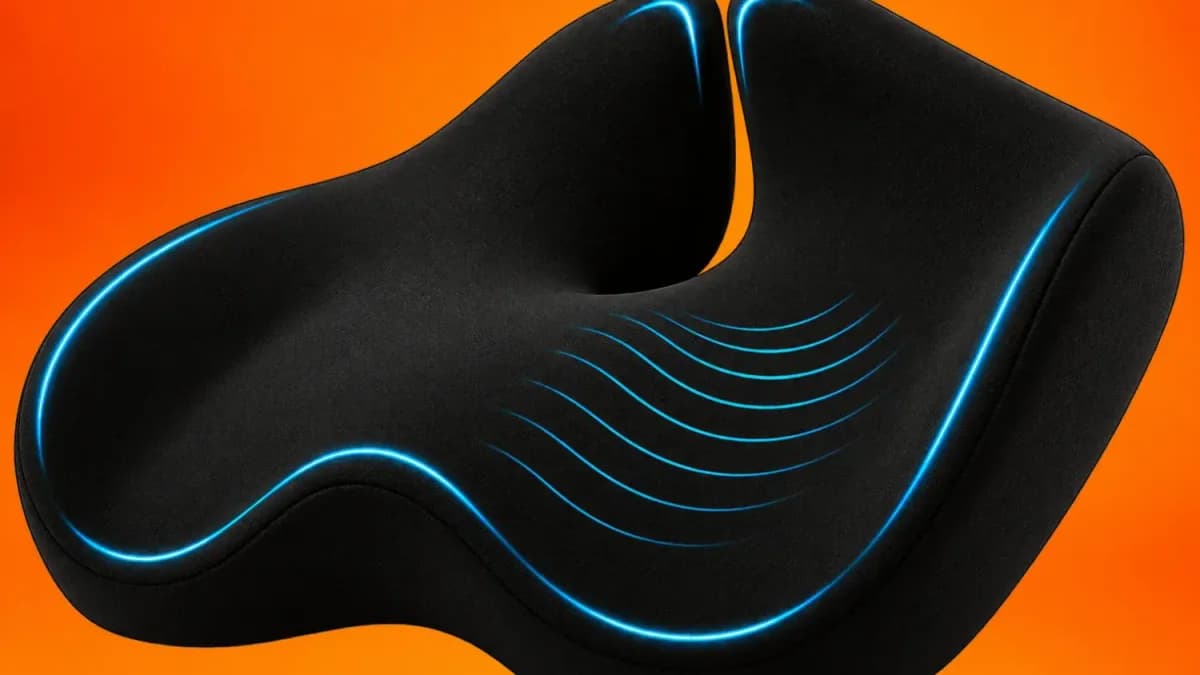
In short: memory foam (viscoelastic polyurethane) slowly takes the shape of the body under pressure and heat and slowly returns. It spreads pressure well but can be warmer, firmer in the cold and smelly at first. Quality depends on density and manufacture, and care is simple: do not wash the foam, wash the cover, keep it away from heat.
What is this material
Memory foam is a viscoelastic foam, usually polyurethane. It:
- compresses under weight and takes the body's shape;
- reacts to heat: it softens with body warmth;
- recovers shape slowly after the load is removed.
This distinguishes it from ordinary foam, which recovers quickly and does not "remember" shape.
Pros
- Spreads pressure well over a large area.
- Takes the body's shape, which can be comfortable in long sitting.
- Damps vibration.
- A wide choice of shapes and densities.
Cons
- Warmer than ordinary foam: body heat accumulates (there are models with ventilation or a cooling layer).
- In a cold room it firms up and needs time to take shape.
- Smell of a new item, which usually fades in a few days, see new mouse pad smells (similar causes).
- Cheap foam quickly loses springiness and sags.
- It can feel too soft and "sink".
Density: what it is and why it matters
Foam density is measured in kg/m³. It affects comfort and durability:
- Lower density: softer, cheaper, loses shape faster.
- Higher density: firmer, longer-lasting, usually costs more.
For chair cushions density is usually judged together with thickness and firmness, and manufacturers do not always give exact figures; ask the seller or check the description.
How to choose
- Density and firmness: for your weight and feel.
- Thickness: see how to sit on the cushion.
- Cover: breathable and removable.
- Return terms: comfort is individual.
Care
- Do not wash or wring the foam: it breaks down and takes a long time to dry.
- Wash the cover following the label.
- Wipe with a damp cloth, do not soak.
- Keep away from direct sun and heat, which degrade the foam.
- Air it from time to time.
- Do not store under heavy items for long.
When to replace
- the foam has lost springiness and does not return to shape;
- it has dents and sags;
- brittleness or crumbs have appeared;
- the cushion no longer gives comfort.
The approximate lifespan depends on quality and load; there is no exact figure.
FAQ
Is memory foam harmful?
Is it always warmer?
Can I wash the foam?
Does it suit everyone?
Sources
- Manufacturer descriptions and specifications for foam and cushions.
Shop picks
This is a selection of shop products on the topic of the article. The article is written independently.
Read also
Orthopaedic Chair Cushion: Who Needs It and How It Works
Read →Tailbone Cushion or Lumbar Cushion: What Is the Difference?
Read →How to Sit Correctly on an Orthopaedic Cushion: Height, Angle, Habits
Read →