 Selerity
Tailbone Pain From Sitting Work: Causes and What Helps
By Олег МельничукPublished: 2 min read
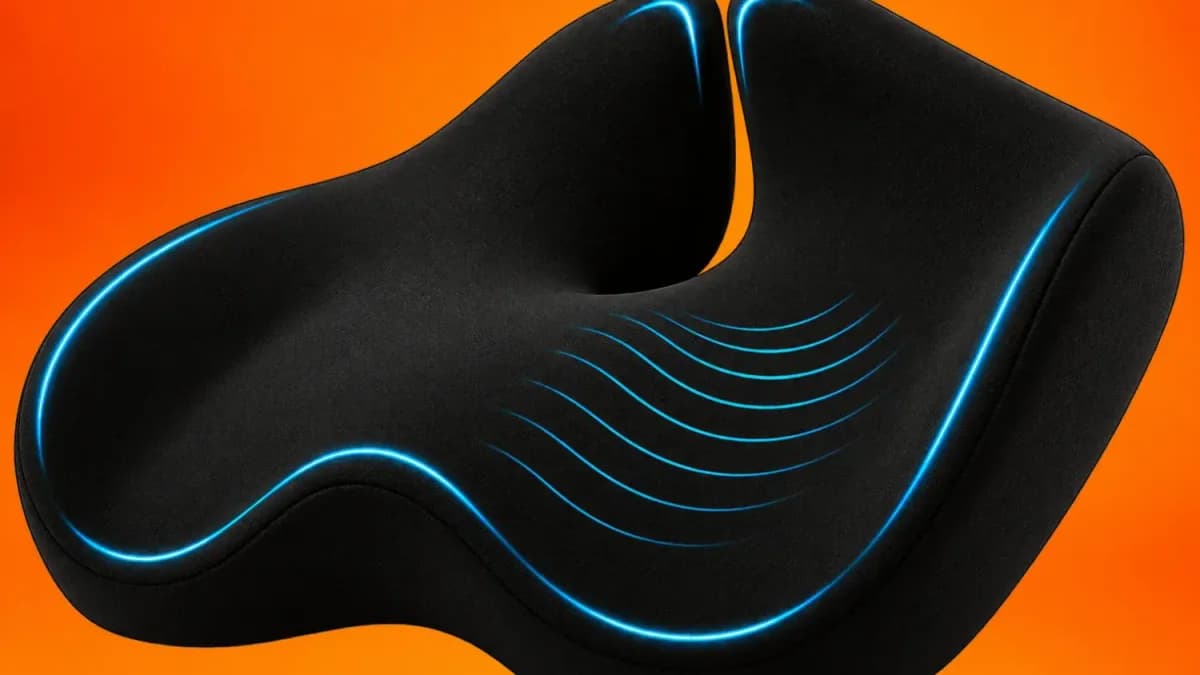
In short: tailbone pain (coccydynia) often appears after long sitting, a fall, childbirth or because of poor posture, and sometimes the cause is unknown. At home, correct posture, a specially designed coccyx cushion, breaks and frequent changes of position help. If the pain does not go away within a few weeks or comes with worrying signs, see a doctor.
What is tailbone pain
The tailbone is a small bone at the end of the spine. Pain in this area is called coccydynia. It can get worse when sitting, standing up from a chair or under prolonged pressure.
Causes
According to the NHS description, causes include:
- pregnancy and childbirth;
- an injury or a fall onto the tailbone;
- repeated or prolonged strain on the tailbone, for example after long sitting, driving or cycling;
- poor posture;
- being overweight or underweight;
- joint hypermobility or reduced flexibility of the joint joining the tailbone to the spine.
Sometimes the cause is unknown. NHS: causes of tailbone pain.
What helps at home
According to NHS guidance:
- sit correctly with good lower back support;
- use a specially designed coccyx cushion, see orthopaedic chair cushion and tailbone or lumbar cushion;
- do not sit for long without a break, change position often, see how long to play without a break;
- lie on your side to reduce pressure on the tailbone;
- pelvic floor exercises, if a professional advises them;
- cold or warm packs (20–30 minutes);
- pain relief (for example anti-inflammatory medicines) on a pharmacist's or doctor's advice, taking contraindications into account;
- avoid tight clothing around the buttocks and lower back.
NHS: tailbone pain, self-care.
Sitting posture
- Sit deeper, with your back against the backrest.
- Do not slide down or lean back onto the tailbone.
- Feet on the floor, knees at about 90°, see how to sit on the cushion, monitor height and posture.
- Stand up every 30–60 minutes.
What a cushion does not do
A cushion can reduce pressure on the tailbone but does not treat the causes of pain. It does not replace diagnosis and treatment.
When to see a doctor
According to the NHS, see a doctor if:
- tailbone pain has not improved after a few weeks of home measures;
- the pain affects daily activities;
- you have a high temperature, tailbone pain and pain elsewhere, such as in the stomach or lower back.
Also see a doctor urgently for numbness in the buttock area, problems controlling the bladder or bowel, or weakness in the legs.
A doctor may offer physiotherapy, injections and, rarely, surgery.
FAQ
How long does tailbone pain last?
Will a cushion help?
Is tailbone pain dangerous?
Can I sit when it hurts?
Sources
- NHS: tailbone pain (coccydynia), causes.
- Mayo Clinic, Ministry of Health of Ukraine.
- This material is informational and does not replace a doctor's advice.
Shop picks
This is a selection of shop products on the topic of the article. The article is written independently.
Read also
Orthopaedic Chair Cushion: Who Needs It and How It Works
Read →Tailbone Cushion or Lumbar Cushion: What Is the Difference?
Read →