 Selerity
How Mouse Feet Work: PTFE, Noise and Glide
By Марина ШевчукPublished: 2 min read
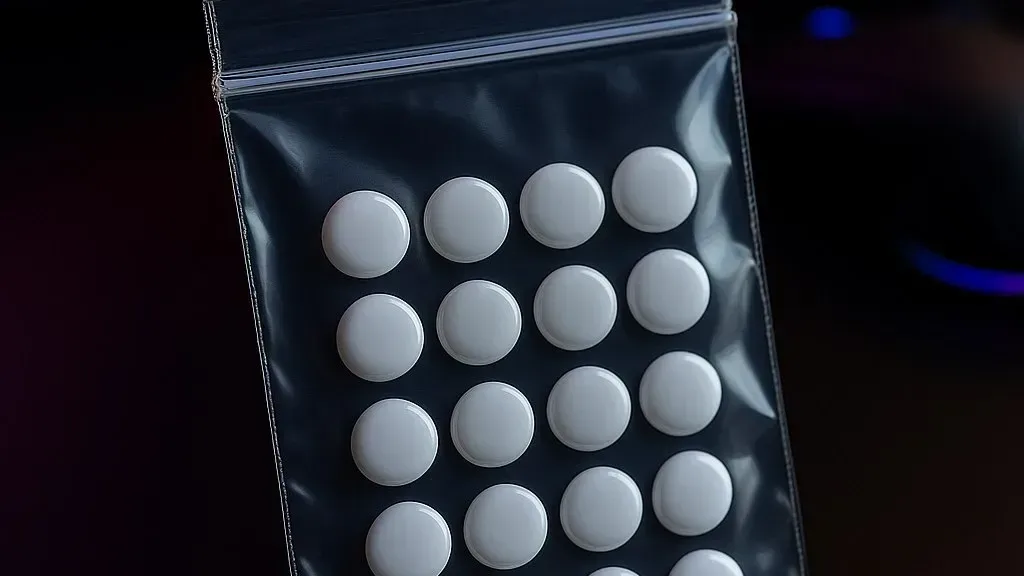
In short: mouse feet (glides) are thin pads the mouse slides on over the pad. They are usually made of PTFE ("Teflon") because it is one of the slipperiest polymers. Speed, noise and feel depend on the material, thickness, edge shape and what they slide on.
What are mouse feet?
Flat pads (usually 0.6–1.0 mm thick) with an adhesive layer, stuck on the underside of the mouse. They lower friction and give an even glide. Factory feet are often thin and made from mass-market materials, which is why enthusiasts buy separate sets.
Why does PTFE slide?
PTFE (polytetrafluoroethylene, known as Teflon) has a very low friction coefficient: the polymer molecules barely "grab" other surfaces. That gives a smooth, low-noise glide on cloth. The material also resists heat and moisture.
Caveat: PTFE is soft, so on hard rough surfaces it wears faster. This matters for glass and hard pads, see glass mouse pads.
What affects the glide?
- Material. Besides standard PTFE there are variants made of ultra-high-molecular-weight polyethylene, glass and ceramic. They differ in hardness, speed and noise.
- Thickness. Thicker feet last longer but change the mouse height and distance to the sensor.
- Edge shape. Rounded edges ride onto the pad more softly and do not catch the pile. Sharp edges give a "harsher" start and can pull at fabric.
- Area. A larger area gives a steadier glide but raises static friction. Small point feet slide faster but are less stable.
- Placement. Correctly placed feet do not obstruct the sensor or cause tilt.
- Pad surface. More in the article on mouse pad surfaces.
Why do feet make noise?
Noise comes from micro-vibrations at the contact point. It is amplified by a hard surface (glass, plastic), tiny irregularities or dirt on the feet. On cloth, feet are quiet. If the feet suddenly "scratch", check them for scratches, dust and burrs.
Why do feet wear out?
Friction gradually wears material away, and dust and particles act as an abrasive. On hard surfaces this happens faster. Signs of wear are described in how long mouse feet last.
Is it important to replace feet?
New feet restore the original glide and can change how the mouse feels. But do not expect miracles: the pad surface usually matters more.
How to choose
- Check that the feet fit your mouse model (shape, dimensions).
- Decide what surface you play on: cloth or a hard one.
- For glass choose sets designed for glass.
- Pay attention to thickness and edge rounding.
FAQ
Are PTFE feet really the best?
Should I sand new feet?
Why does a new mouse glide differently?
Do feet affect the sensor?
Sources
- Descriptions from feet and mouse manufacturers.
Shop picks
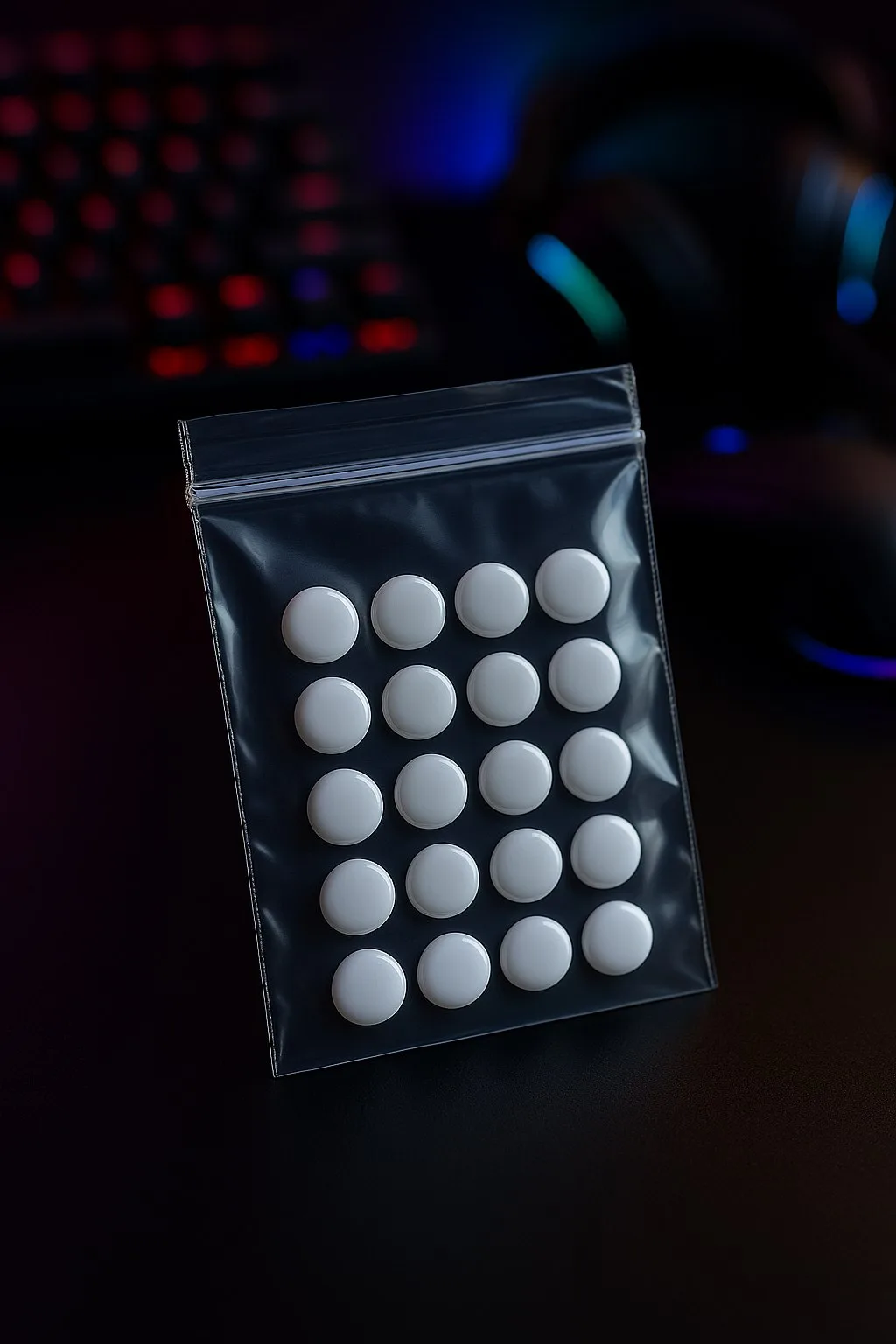
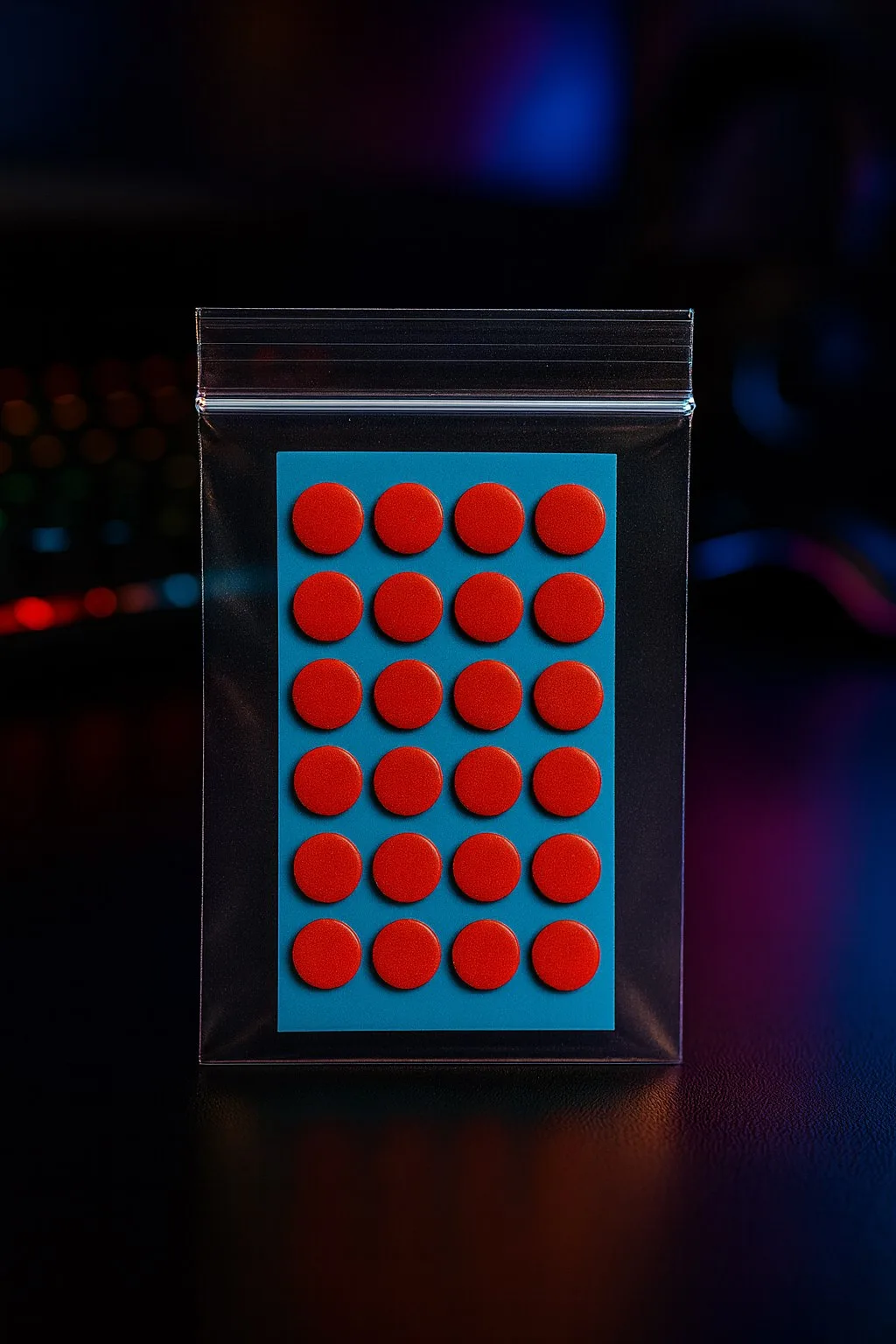
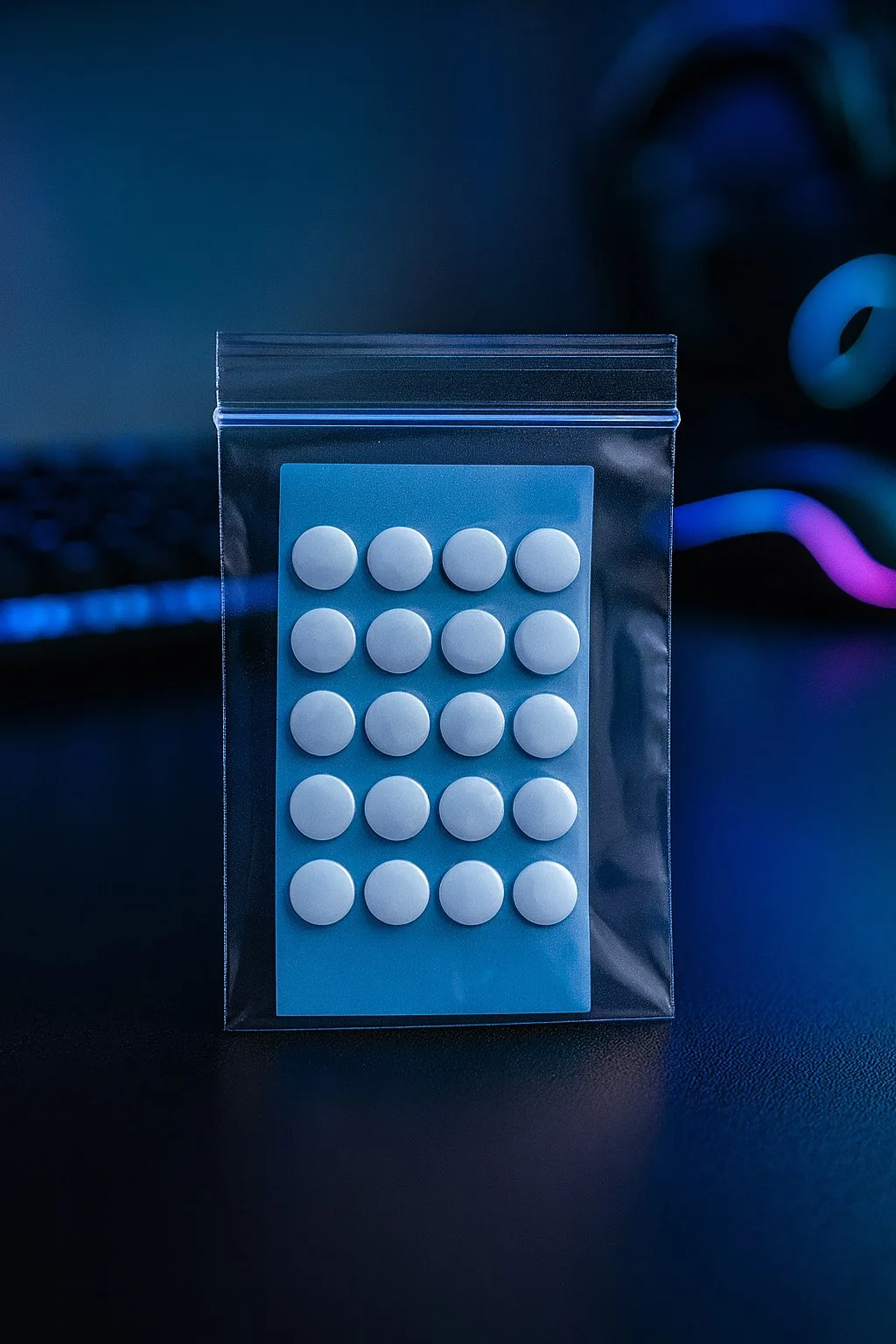
This is a selection of shop products on the topic of the article. The article is written independently.
Read also

Mouse Pad Surfaces: Cloth, Plastic, Glass and Rubber, and What Really Sets Speed and Control
Read →
Glass Mouse Pads: Myths and Facts About Noise, Scratches and Safety
Read →How Long Mouse Feet Last and How to Tell It Is Time to Replace Them
Read →