 Selerity
PTFE vs UPE Mouse Glides: What's the Difference?
01/10/2026
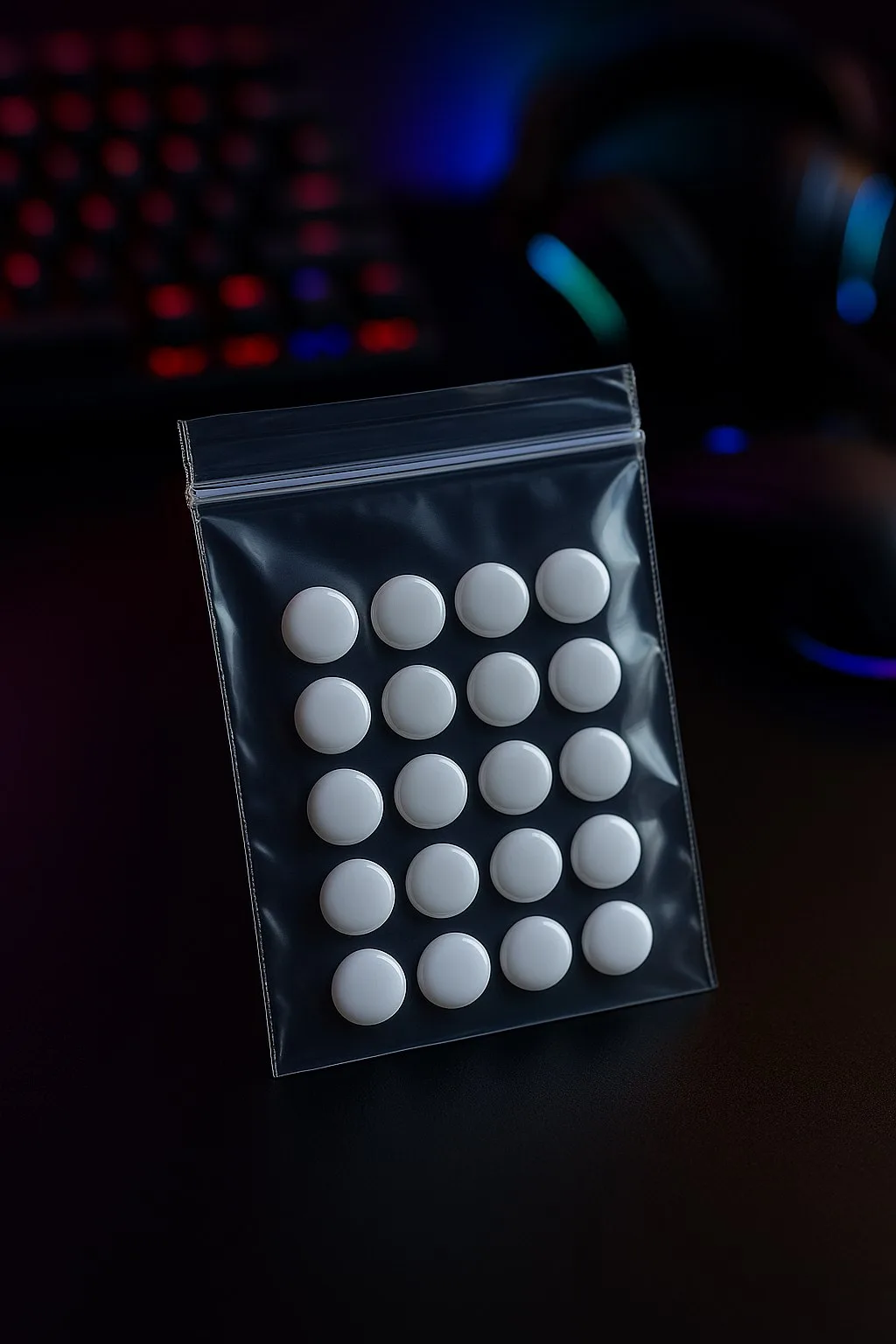
Understanding Mouse Glides and Their Impact on Performance
Your mouse glides, often called skates, play a crucial role in how your setup feels during fast-paced tracking and micro-adjustments. Every time you move your hand across the desk, these small feet bear the weight of the peripheral and determine the initial resistance you must overcome. Choosing the right material for these components changes the consistency of your glide, affecting your aim in competitive titles.
While many players focus exclusively on the sensor or the weight of their Gaming Mice, the contact point between the hardware and the surface is equally important. Even the best sensor cannot compensate for an inconsistent or overly scratchy glide. Understanding the mechanical differences between available options helps you make an informed decision for your specific playstyle.

At Selerity, we look at the entire ecosystem of desktop performance. Alongside proper glides, maintaining a clean contact area and pairing your hardware with the right Mousepads ensures uniform resistance. Whether you prefer a lightning-fast surface or something with more stopping power, the foundation starts at the bottom of your peripheral.
PTFE Mouse Glides: The Industry Standard for Speed
Polytetrafluoroethylene, commonly known as PTFE, is the dominant material used in modern mouse feet due to its exceptionally low coefficient of friction. Pure PTFE offers a buttery-smooth glide that reduces drag significantly, allowing for effortless movement across both cloth and hard surfaces. This material responds instantly to subtle hand movements, making it a favorite for tracking-heavy games.
Beyond low friction, PTFE provides a consistent feel over time as it breaks in evenly. However, it is relatively soft compared to other plastics, meaning it will wear down faster depending on the texture of your desk mat. Gamers who play extensively should inspect their Mouse Skates periodically for signs of thinning or uneven wear to maintain peak performance.
Quick Checklist for PTFE Glides:
- Exceptional initial acceleration and glide speed.
- Smooth feel across most cloth surfaces.
- Requires replacement more frequently due to softer composition.
UPE Mouse Glides: Durability and Controlled Feedback
Ultra-high-molecular-weight polyethylene, or UPE, is an alternative material gaining traction for users who prioritize longevity and a slightly more controlled glide. UPE is denser and harder than standard PTFE, which translates to superior resistance against abrasion. If you play on rougher hybrid surfaces or hard pads, UPE maintains its structural integrity much longer without wearing down to the adhesive layer.
The tactile feedback from UPE feet is slightly different from pure PTFE. It generally offers more stopping power and feedback, which some players prefer for tactical shooters where flick accuracy and precise crosshair placement matter more than sheer speed. Pairing these skates with supportive gear, such as a stable Ready-made setups configuration, ensures your entire desk ergonomics work in harmony.
Key Characteristics of UPE:
- Higher resistance to physical wear and tear.
- Increased stopping friction for better control.
- Ideal for abrasive surfaces and heavy daily use.
Comparing Glide Performance on Different Surfaces
The interaction between your skates and your desk surface dictates your overall experience. PTFE tends to feel extremely fast on smooth surfaces, sometimes making it harder to stop precisely if your hand technique isn't fully refined. On the other hand, UPE provides a natural brake, helping you anchor your crosshair on target corners without over-flicking.
If you use a textured surface like the Mousepad Ravens 900×400, soft PTFE will glide effortlessly, while UPE will offer a bit more mechanical feedback. Both materials perform well, but your choice depends entirely on whether you want maximum velocity or enhanced stopping control.
To protect your arm movement and reduce friction against the desk edge, many players also utilize sleeves like the Sleeve Black 2.0. Keeping your skin from sticking to the desk surface ensures that your hand movements remain as fluid as your mouse glides.
How to Choose Between PTFE and UPE for Your Playstyle
Making the final choice comes down to balancing speed versus control and considering your maintenance habits. Ask yourself these practical questions before upgrading your hardware:
- Do you play high-sensitivity tracking games where speed is paramount? Go with PTFE.
- Do you play tactical games requiring precise stopping power and durability? Consider UPE.
- How often are you willing to replace worn-out skates?
Players who demand longevity often gravitate toward UPE, while competitive tracking enthusiasts stick to pure PTFE. No matter which material you select, keeping your accessories organized with items from our Accessories collection helps maintain a clean, distraction-free gaming environment.
Conclusion: Optimizing Your Peripheral Setup
Both PTFE and UPE have distinct advantages that cater to different gaming preferences. PTFE delivers unmatched speed and minimal initial friction, while UPE offers superior durability and enhanced stopping control. By matching the right glide material to your favorite surface, you can achieve a consistent and reliable mechanical feel.
Remember to evaluate your entire ergonomic chain, from the desk surface and mouse feet to supportive additions like the Mousepad Hikari Blue 900×400. Taking a holistic approach to your hardware setup ensures maximum comfort and reliable performance during every session.